
The Role of Edible Bird Nests in Chinese Traditions
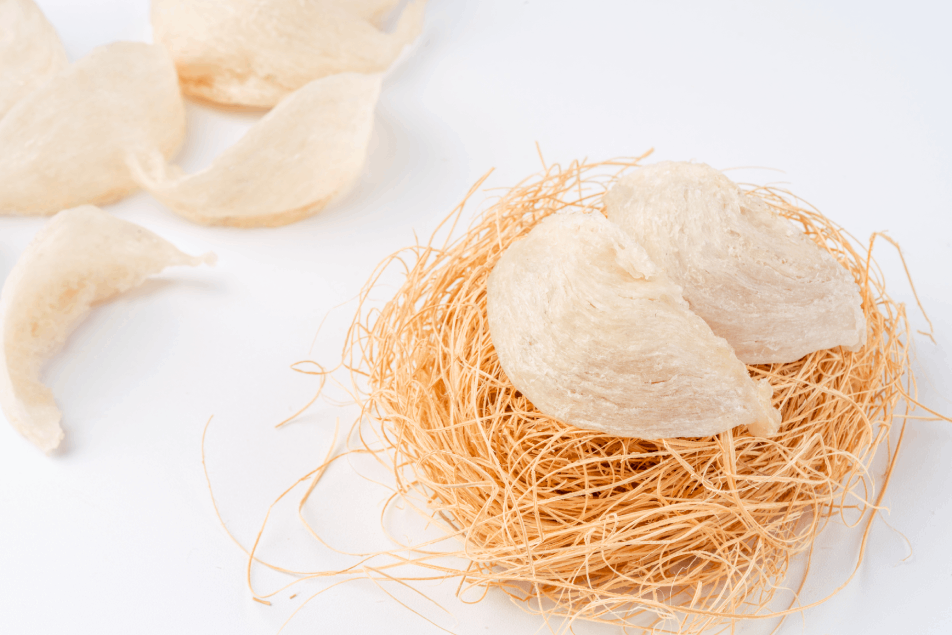
If you're curious about unique culinary customs, you can't overlook the role edible bird nests play in Chinese traditions. These delicate treasures don't just grace fancy banquets—they carry layers of meaning, especially around health, family, and celebration. While you might've heard of their reputation as a luxury, their true significance runs much deeper. Wondering why families go to such lengths to source and prepare them? There's a fascinating history and symbolism waiting for you.
Historical Importance of Edible Bird Nests in Chinese Culture
The historical significance of edible bird nests in Chinese culture can be traced back over four centuries. Initially consumed by Chinese emperors and elite families, these nests were valued for their perceived health benefits and played a role in traditional Chinese medicine as a health and longevity tonic.
They were commonly served during festive gatherings as a symbol of luxury, particularly among the upper classes. Over time, their rarity and esteemed status increased, leading to their continued demand as a delicacy. Edible bird nests were often presented as gifts on important occasions and were a staple in family gatherings that focused on health and prosperity.
Today, you can experience the enduring tradition and quality that brands like Golden Nest continue to offer, making this revered delicacy accessible to modern households.
Symbolic Meanings Associated With Bird Nests
In Chinese culture, edible bird nests hold significant symbolic meanings. When given as gifts or served at special events, they represent wishes for health, longevity, and vitality.
These nests are deeply rooted in traditional Chinese medicine, where they're considered beneficial for overall well-being. Their scarcity and high value also make them symbols of wealth and good fortune, appreciated by both the giver and the recipient.
Additionally, sharing bird nest dishes at family gatherings is thought to promote family unity and togetherness, reinforcing bonds and expressing hopes for prosperity and lasting happiness.
Traditional Uses During Chinese Festivals
During significant Chinese festivals, edible bird nests hold cultural significance as they're traditionally used to convey wishes for health and prosperity.
The practice of gifting Edible Bird’s Nest is a customary gesture that honors elders and reinforces familial ties. Preparing and serving bird nest soup during these festivals isn't merely a culinary indulgence; it's a traditional means of offering blessings and wishing for good fortune in the upcoming year.
The packaging of these nests often reflects a sense of luxury, which makes them suitable gifts for festive occasions. By incorporating bird nest dishes into festival celebrations, individuals contribute to strengthening familial bonds and enhancing the cultural significance of the event.
Nutritional and Health Benefits Recognized by Ancient and Modern Science
Edible bird nests, traditionally used in festival rituals, offer nutritional benefits that extend beyond cultural practices. These nests are a source of essential minerals such as calcium and iron, which can contribute to supporting the immune system and overall health. They contain high levels of collagen and epidermal growth factor, which may aid in skin nourishment, potentially enhancing elasticity and promoting a youthful appearance.
Historically, ancient Chinese medicine recognized the nests for their potential to aid in recovery from illness, a notion that modern scientific studies have begun to explore. Incorporating edible bird nests into one's diet may be aligned with a long-standing tradition of holistic wellness, supported by emerging scientific insights.
Culinary Applications and Preparation Methods
Edible bird nests are a notable component of Chinese culinary tradition, often used to enhance the character of various dishes.
One of the primary uses of bird nests is in bird nest soup, valued for its smooth and gelatinous texture. Traditional preparation involves soaking the nests in cold water for several hours, followed by careful cleaning and gentle simmering.
In addition to soup, bird nests are incorporated into both savory and sweet dishes, such as congee and desserts, where they're often paired with ingredients like red dates or goji berries.
These methods aim to maintain the nutritional benefits of the nests, allowing for a dish that's both flavorful and beneficial.
The Process of Harvesting and Sourcing Bird Nests
The process of harvesting and sourcing edible bird nests involves understanding the role of swiftlets, which create their nests using saliva.
These nests are typically found along steep cave walls or in specially constructed nesting houses. Harvesters must navigate these challenging environments using bamboo trellises and a "rada," a practice that requires significant labor and skill.
Traditional methods emphasize silence and the use of gloves, which are believed to show respect for the cave spirits.
It takes a male swiftlet approximately 35 days to complete a nest, making each nest a relatively rare commodity. This process underscores the cultural traditions and meticulous care involved in the collection of edible bird nests.
Market Value, Authenticity, and Quality Concerns
Edible bird nests are considered a luxury food item and are among the most expensive in the market due to their rarity and high demand. The market value of these nests varies significantly, with white nests priced around $2,800 per kilogram and the rarer red nests, which are valued for their purported health benefits in traditional Chinese medicine, reaching prices as high as $14,000 per kilogram.
Indonesia is the leading producer of edible bird nests globally. However, the increasing demand has led to a rise in counterfeit products, raising concerns about authenticity and quality. Some nests are found to be adulterated or contaminated, which poses a risk to consumers.
To address these issues, advanced testing methods such as DNA analysis have been developed to verify the authenticity of the nests. Additionally, there are efforts to implement stricter transparency measures to ensure that consumers receive genuine and high-quality products.
Edible Bird Nests as Gifts and Their Role in Strengthening Social Bonds
Edible bird nests are a significant aspect of gift-giving in Chinese culture, often given during Lunar New Year celebrations or to elders on special occasions. They symbolize wishes for health, prosperity, and well-being.
The act of giving edible bird nests is rooted in tradition and is seen as a way to strengthen social ties and demonstrate mutual respect. The packaging is usually elegant, which can enhance the perceived value of the gift, particularly during family gatherings where sharing these items can deepen interpersonal bonds.
Choosing to give such gifts is a method of expressing gratitude and honoring important relationships. Therefore, edible bird nests serve as more than just food; they play a crucial role in reinforcing social connections.
Conclusion
When you explore the world of edible bird nests, you’re not just tasting a delicacy—you’re embracing centuries of tradition, symbolizing health, prosperity, and unity. By preparing or gifting bird nests, you show deep respect and help strengthen family ties. Whether you savor them during festivals or share them with loved ones, you become part of a cherished cultural legacy, celebrating both heritage and well-being. Choose wisely, and you’ll enjoy both flavor and meaning in every serving.